Non-Surgical Retreatment
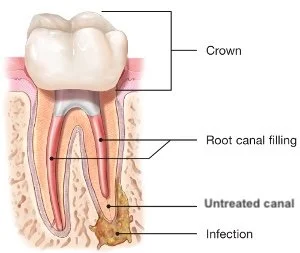
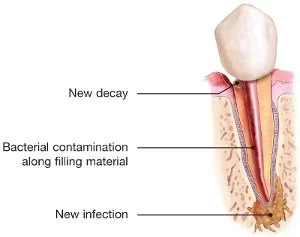
Non-surgical root canal retreatment is recommended when a previously root canal treated tooth develops a new infection. This can occur for several reasons, including recurrent decay, gaps, cracks or fractures in your tooth that allow bacteria to leak back into the tooth, or complex anatomy. When bacteria re-enter the root canal system, they can cause inflammation, infection, and sometimes an abscess around the root of the tooth.
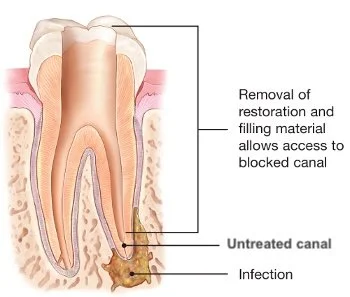
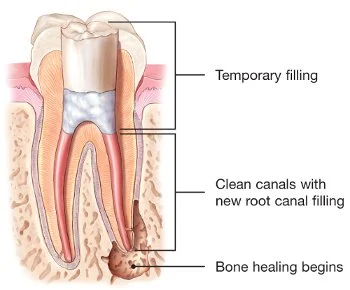
In many cases, the problem can be addressed without surgery by removing the previous root canal filling materials, thoroughly cleaning and disinfecting the canals, and sealing them again. Retreatment is often completed over two visits to allow an antibacterial medication placed inside the tooth to eliminate residual bacteria before the canals are permanently sealed. With advanced disinfection techniques, non-surgical retreatment has a success rate greater than 90%.
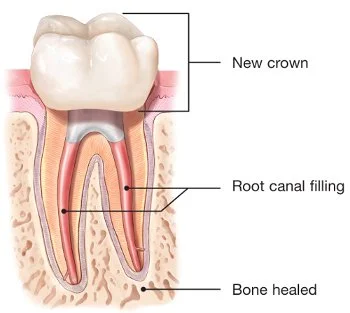
After retreatment, it is important to follow up with your general dentist for the final restoration, whether that involves a permanent filling or a new crown, as proper restoration is essential to the long-term success of the tooth.