Root Canal Therapy
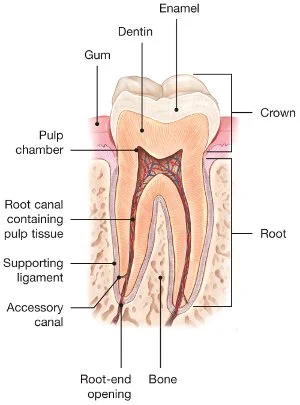
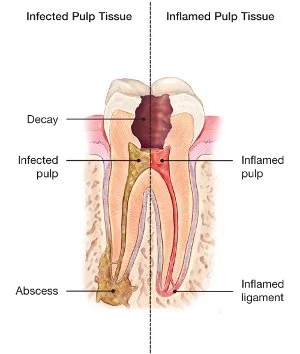
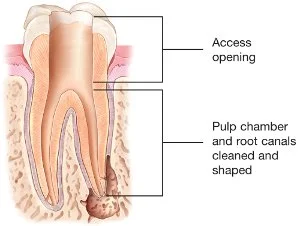
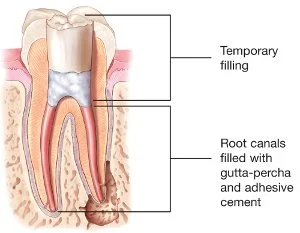
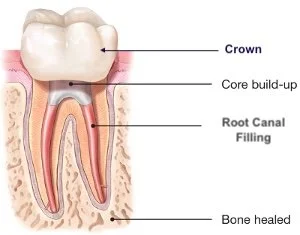
Root canal therapy is a treatment used to save a tooth when the tissues inside the tooth, including the pulp and root canals, become inflamed or infected due to decay, cracks, trauma, or bacterial leakage. During treatment, the inside of the tooth is carefully cleaned, disinfected, and sealed to eliminate infection and help prevent future problems. The procedure is typically painless and performed under local anesthesia, with most treatments completed in one or two visits depending on your diagnosis and the complexity of the tooth's anatomy. After the root canal therapy is completed by your endodontist, it is important to return to your general dentist for the permanent restoration, which often includes a core buildup and crown. This final restoration helps protect the tooth from fracture and is essential to the long-term success of the treatment. Root canal therapy has a high success rate (85-95%), and with proper restoration and routine dental care, many treated teeth can remain healthy and functional for years to come.